The stress-hormone connection begins in your brain with a sophisticated system called the hypothalamic-pituitary-adrenal (HPA) axis. This system, designed for short-term threats, triggers a cascade of hormonal responses when your brain perceives stress – whether it’s a looming deadline at work or a challenging family situation. [1, 2]
Within seconds, your adrenal glands release cortisol and adrenaline. These hormones increase your heart rate, raise blood pressure, and flood your bloodstream with glucose, preparing your muscles for action. [1] While cortisol is often demonized, it plays vital roles in your body, including regulating blood sugar, supporting memory and focus, reducing inflammation, and maintaining blood pressure. [1] Cortisol follows a natural daily rhythm, peaking in the morning and declining towards evening, which helps regulate sleep, appetite, immune function, and metabolic health. [25]
However, modern life presents a fundamental mismatch to this ancient system. The HPA axis evolved to handle acute stressors that resolve quickly. Today, women often face chronic, low-level stressors like job insecurity, financial strain, family conflict, and caregiving demands that persist for weeks, months, or even years. Recent surveys highlight the impact of these stressors: In 2025, 65% of women ranked personal finances as a major source of stress and anxiety, while 46% reported health concerns as a significant stressor. [3, 6]
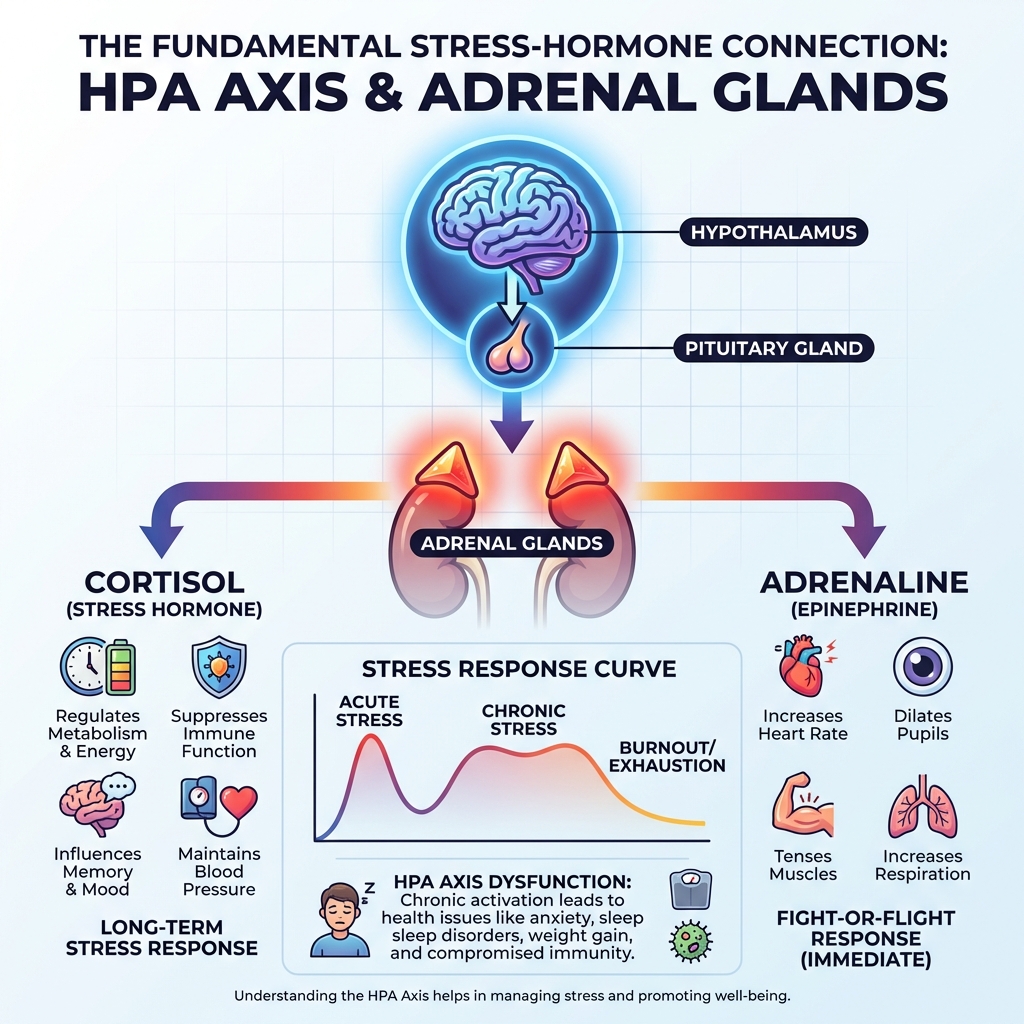
When cortisol levels remain chronically elevated, they transition from helpful to harmful, leading to sustained activation of the “fight-or-flight” response. This can manifest in various ways, including:
These observable symptoms are just the tip of the iceberg. Chronic stress can also trigger insidious changes at the cellular level, contributing to the development of chronic diseases that disproportionately affect aging women.
Chronic stress and elevated cortisol can significantly impact your metabolic health, leading to a cascade of negative consequences.
The interconnection between stress, blood sugar, and insulin forms a critical health vulnerability for women. When stress triggers the release of cortisol and adrenaline, these hormones elevate blood glucose by stimulating the liver to release glucose and promoting the breakdown of proteins into glucose. [2, 5] This elevated blood glucose triggers the pancreas to release more insulin. [2, 5] However, chronic stress impairs insulin sensitivity, leading to a vicious cycle: stress raises blood glucose, elevated blood glucose triggers more insulin release, stress impairs insulin sensitivity, cells become resistant to insulin, and blood glucose remains elevated. [2, 5]
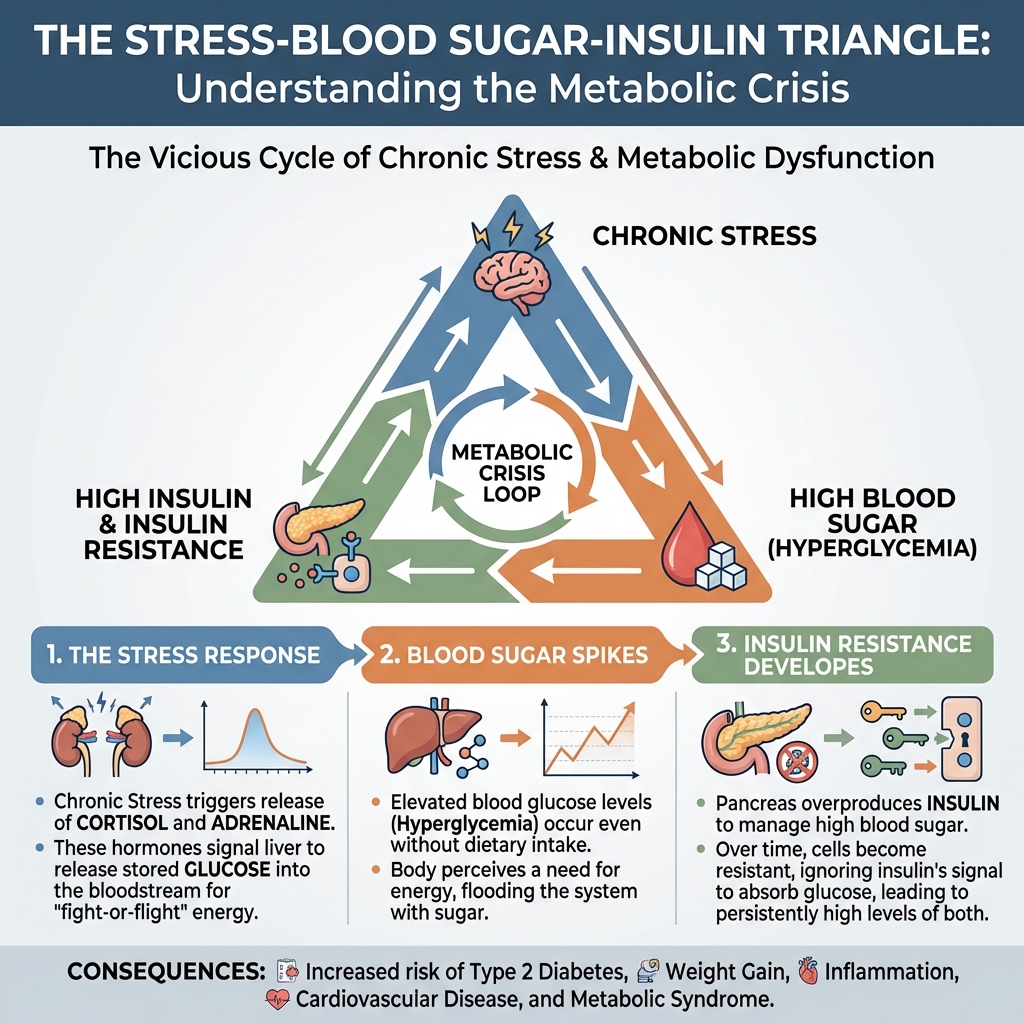
This pattern of chronic high blood glucose and high insulin levels defines insulin resistance, a condition that affects approximately one quarter of the global population and sets the stage for metabolic syndrome, type 2 diabetes, and cardiovascular disease. [5]
Women experience particular vulnerability during specific windows in their menstrual and reproductive cycles. Research has found that menstrual cycle phase modulates stress reactivity, with some women experiencing more dramatic blood sugar fluctuations during certain phases of their cycle. [2] Women using hormonal contraceptives may also experience different psychological and physiological responses to stressful situations compared to naturally cycling women, as oral contraceptive pills can blunt the normal cortisol response to stress. [44, 47]
Women experience stress differently than men, facing unique stressors related to their gender roles and hormonal biology. Women are twice as likely as men to experience anxiety and depression disorders. [30] Unlike men, who experience relatively stable hormone levels, women navigate multiple periods of dramatic hormonal fluctuation: the menstrual cycle, pregnancy and postpartum periods, and menopause. Each of these transitions affects stress response physiology.
Chronic stress and poor sleep maintain complex bidirectional relationships. Acute stress impairs sleep, while chronic poor sleep dysregulates the stress response system itself. [25] Sleep deprivation flattens the diurnal cortisol slope, meaning that cortisol remains elevated in the evening, directly impairing sleep quality. [25]
Women report particularly high rates of sleep disruption related to stress and hormonal factors. Forty percent of working mothers report trouble sleeping, and irregular sleep becomes increasingly common as women approach menopause. [1, 12] Inadequate sleep also disrupts the balance between estrogen and progesterone, creating additional vulnerability to insomnia during hormonal transitions.
Prioritizing seven to nine hours of sleep nightly represents one of the fastest ways to reduce cortisol levels and restore normal stress response physiology. [1, 14] Research has found that exercise programs are effective strategies for lowering cortisol levels and improving sleep quality, with moderate-intensity aerobic activity providing particularly strong benefits. [17]
Effective stress management requires a multifaceted approach addressing stress at multiple levels.
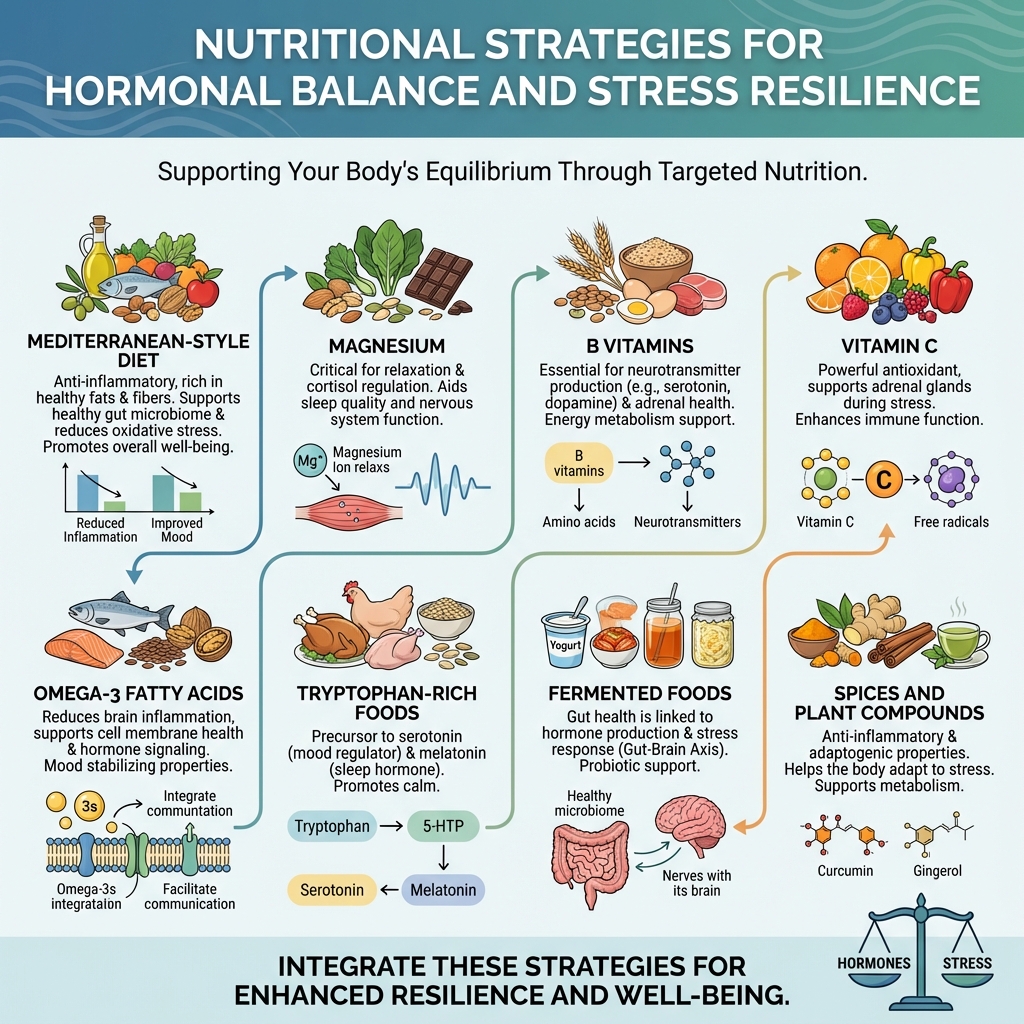
Disclaimer: Always consult with your healthcare provider before starting any new supplement regimen.
Stress is an inevitable part of life, but chronic stress doesn’t have to dictate your health and well-being. By understanding the intricate connection between stress and your hormones, and by implementing the strategies outlined in this blog post, you can take control of your stress, support your hormonal balance, and thrive through all of life’s transitions.
Actionable Steps You Can Take Today:
Ready to take the first step towards a healthier, more balanced you? Start implementing these strategies today and experience the transformative power of stress management!