Stress, Sleep, and Your Heart: A Woman’s Guide to Cardiovascular Wellness

Stress, Sleep, and Your Heart: A Woman's Guide to Cardiovascular Wellness

Ladies, let's talk heart health. It's a topic that often gets overshadowed, yet cardiovascular disease remains the leading cause of death for women in the United States and worldwide. (1, 12) While we're often told about traditional risk factors like high blood pressure, cholesterol, and smoking, there are two silent saboteurs that deserve our attention: stress and poor sleep. This isn't just about feeling frazzled or tired; chronic stress and inadequate sleep can have a profound, often overlooked impact on your heart health, potentially triggering serious cardiac events even in otherwise healthy young women. (1, 2)

As we kick off a new week on this January 26th, 2026, let's make a commitment to prioritize our cardiovascular well-being. This comprehensive guide will delve into the intricate ways stress and sleep affect women's hearts, highlight the unique vulnerabilities we face, and provide evidence-based strategies to reclaim control of our heart health through targeted stress management and sleep optimization.

How Stress Damages the Heart: Understanding the Biological Pathways

Think of stress as an alarm system designed to protect you from immediate danger. When faced with a threat, your body kicks into “fight-or-flight” mode, releasing hormones like cortisol and adrenaline. These hormones increase your heart rate, raise your blood pressure, and enhance blood clotting – all beneficial when you need to escape a physical threat. (1, 2, 8)

However, when this alarm system is constantly triggered by chronic stress – whether from work, relationships, or daily life – it creates sustained cardiovascular strain that gradually damages your heart and blood vessels. (1, 2)

The Biological Cascade:

  • Brain-Heart Connection: Research from Harvard-affiliated Mass General Brigham shows that stress-related brain activity, particularly in the amygdala (the emotional center), increases sympathetic nervous system activity, reduces heart rate variability (HRV), and elevates inflammatory markers like C-reactive protein. (2) Low heart rate variability indicates that the heart is less adaptable to changing demands, making it more vulnerable to stress.
  • Hormonal Havoc: Chronic elevation of stress hormones leads to sustained high blood pressure, damaging the delicate lining of blood vessels (the endothelium). This promotes arterial stiffness and creates an environment ripe for atherosclerotic plaque development. (1, 2, 32, 43)
  • Inflammation Nation: Prolonged stress triggers the release of pro-inflammatory cytokines like interleukin-6 and tumor necrosis factor-alpha, fueling vascular inflammation and accelerating plaque buildup. (2, 27) Women appear particularly susceptible to this stress-induced inflammation. (43)
  • HPA Axis Dysregulation: Chronic stress disrupts the hypothalamic-pituitary-adrenal (HPA) axis, which controls cortisol production and interacts with reproductive hormones. (38, 43) In women, this can affect estrogen and progesterone levels, further compromising cardiovascular protection. (43)
  • Increased Clotting Risk: Chronic stress promotes a tendency towards blood clot formation by increasing platelet aggregation and altering coagulation markers, raising the risk of heart attack or stroke. (20, 43)

The Extreme End: “Broken Heart Syndrome” and SCAD

Extreme emotional or physical stress can even trigger acute cardiovascular catastrophes in women.

  • Stress-Induced Cardiomyopathy (Broken Heart Syndrome): This condition, affecting women about 89% of the time, occurs when a surge of stress hormones temporarily stuns the heart muscle, causing severe weakness that mimics a heart attack. (1, 13, 16) It often follows profound emotional losses or physical traumas. (13)
  • Spontaneous Coronary Artery Dissection (SCAD): This involves a sudden tear in the inner wall of a coronary artery. It predominantly affects women and frequently follows periods of extreme emotional stress or intense physical exertion. (19, 22)


These conditions disproportionately affecting women highlight the critical need to understand how women’s unique physiology interacts with stress to create distinctive cardiovascular vulnerabilities.

Women and Cardiovascular Stress: Understanding Sex-Specific Vulnerabilities

Women face a unique cardiovascular risk profile compared to men, a reality that’s often overlooked. (1, 9, 12, 56) This disparity isn’t just about biological differences; it’s a complex interplay of factors:

  • Physiological Differences: Women often exhibit lower heart rate variability during stress compared to men, suggesting a less adaptive autonomic response to emotional challenges. (31) This may be linked to estrogen’s protective effects on parasympathetic tone, which fluctuates across the menstrual cycle. (31)
  • The Menopausal Transition: Estrogen provides potent cardiovascular protection by promoting vasodilation, reducing oxidative stress, and enhancing endothelial function. (38) As estrogen declines during perimenopause and menopause, women lose these benefits while simultaneously experiencing metabolic changes that promote weight gain, insulin resistance, and dyslipidemia. (38) This hormonal shift amplifies cardiovascular vulnerability to stress. (38) A recent study showed that only one in five midlife women achieve ideal cardiovascular health scores. (28, 38)
  • Disproportionate Stressors: Women often bear a higher overall stress burden due to disproportionate responsibilities for childcare and elder care, occupational segregation in lower-wage positions, heightened exposure to harassment and violence, and a greater tendency to internalize stress. (11, 32, 43) Work-related stress, in particular, significantly impacts women’s heart health. (32)
  • Reproductive Health Factors: Pregnancy-related complications like preeclampsia and gestational diabetes increase the risk of future cardiovascular disease. (12, 56) Postpartum cardiomyopathy, a rare but life-threatening condition, highlights the heightened cardiovascular vulnerability during pregnancy. (19) Conditions like polycystic ovary syndrome (PCOS) and menstrual irregularities also contribute to cardiovascular risk. (12, 55, 56)
  • Mental Health Connection: Women experience depression and anxiety disorders at roughly twice the rate of men, and these conditions significantly impact cardiovascular outcomes. (1, 2, 43) A Harvard study showed that women with both depression and anxiety face approximately 32% higher cardiovascular risk compared to women with only one condition. (2) Posttraumatic stress disorder (PTSD), which develops twice as frequently in women, is also associated with dramatically elevated cardiovascular risk. (57, 60)
  • Psychological Impact of Cardiac Events: Women often experience greater psychological distress after cardiovascular events, such as SCAD or broken heart syndrome, leading to anxiety, depression, and PTSD. (19, 22)

Sleep and Cardiovascular Health: A Fundamental Pillar of Heart Protection

Sleep is no longer a luxury; it’s a necessity for cardiovascular health. The American Heart Association recognized this by including sleep quality in “Life’s Essential 8” in 2023. (3, 28, 33, 53)

How Sleep Protects Your Heart:

  • Nocturnal Dipping: During sleep, especially non-REM stages, heart rate, cardiac output, and blood pressure decrease, allowing for vascular repair and reduced cardiovascular workload. (33, 53) This “nocturnal dipping” is crucial for cardiovascular health.
  • Autonomic Balance: Deep sleep promotes parasympathetic dominance, suppressing inflammatory and oxidative pathways that drive atherosclerosis. (33, 53)
  • Metabolic Homeostasis: Adequate sleep enhances glucose metabolism, improves hormone regulation, and promotes healthy lipid profiles, reducing cardiometabolic risk. (33, 53)

The Consequences of Poor Sleep:

  • Increased Cardiovascular Risk: Studies show that individuals getting less than seven hours of sleep nightly face substantially elevated cardiovascular risk. (33, 53) A 2011 review found that short sleep duration is associated with a 45% increased risk of coronary heart disease. (33, 53)
  • Impact of Insomnia: Insomnia symptoms, regardless of sleep duration, significantly predict cardiovascular outcomes. (33, 53)
  • Reduced Lifespan: Optimal sleep patterns at age 30 can increase life expectancy by approximately 4.7 years for men and 2.4 years for women compared to those with poor sleep quality. (33, 53)


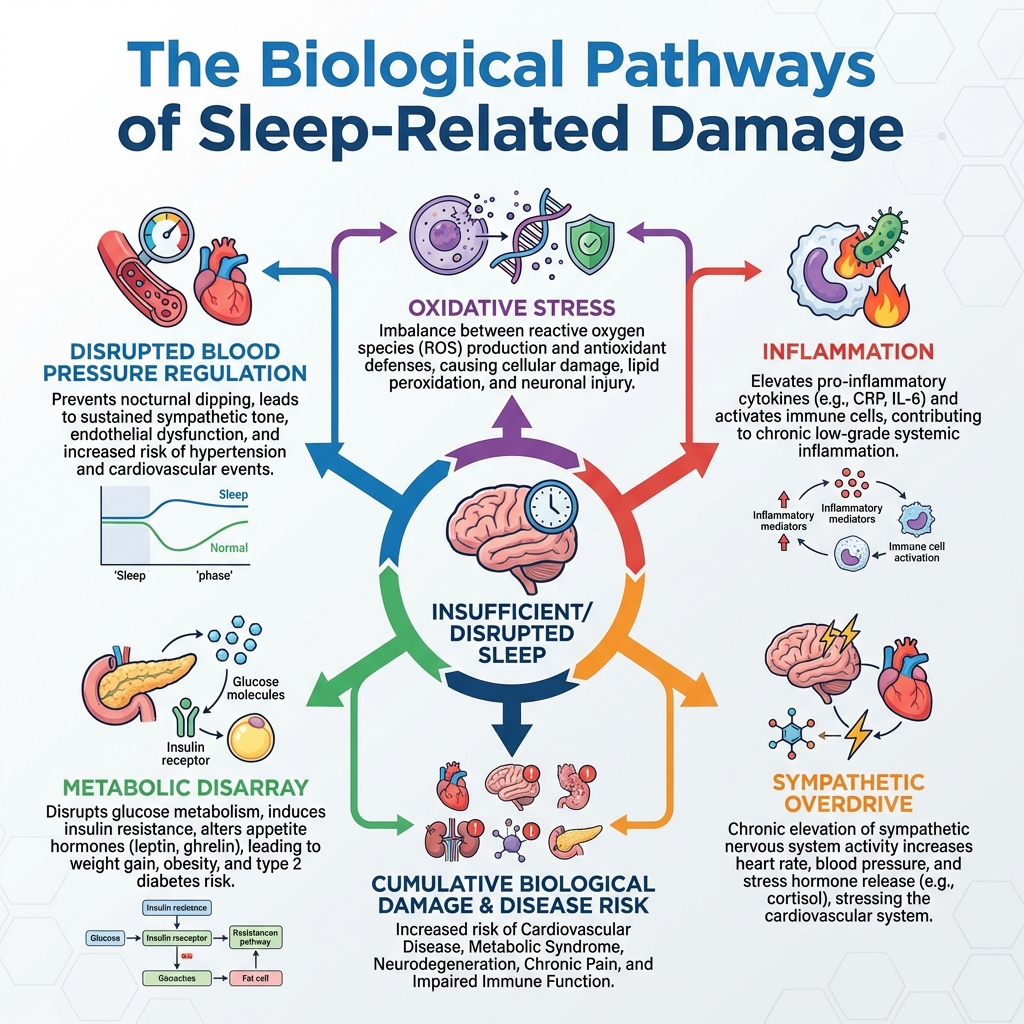
The Biological Pathways of Sleep-Related Damage:

  • Disrupted Blood Pressure Regulation: Sleep deprivation eliminates nocturnal dipping, leading to sustained high blood pressure and arterial stiffness. (33, 53)
  • Inflammation: Sleep deprivation activates pro-inflammatory cytokines, exacerbating vascular inflammation and accelerating atherosclerosis. (33, 53)
  • Sympathetic Overdrive: Chronic sleep loss shifts autonomic balance towards sympathetic predominance, increasing heart rate and impairing baroreceptor sensitivity. (33, 53)
  • Metabolic Disarray: Disrupted sleep adversely affects metabolic homeostasis, reducing insulin sensitivity and promoting hyperglycemia and hyperlipidemia. (33, 53)
  • Oxidative Stress: Sleep deprivation amplifies reactive oxygen species production, impairing endothelial nitric oxide bioavailability and accelerating vascular aging. (33, 53)


Women and Sleep: A Perfect Storm

Sleep problems are particularly prevalent among women, with up to 50% of midlife women reporting significant sleep disturbances. (3, 25, 28, 41, 50) These problems are linked to pronounced cardiovascular consequences in women. (3, 25, 28, 41, 50) A study using the Study of Women’s Health Across the Nation (SWAN) data found that women with persistent insomnia symptoms across midlife faced significantly elevated cardiovascular disease risk. (25, 50) The menopausal transition, with its hormonal fluctuations and vasomotor symptoms (hot flashes and night sweats), further disrupts sleep architecture. (28, 38, 41) This convergence of vulnerabilities explains the accelerating cardiovascular disease incidence during and after menopause. (28, 38, 41)
Sleep Apnea: A Major Risk Factor for Women's Heart Disease

Sleep apnea, particularly obstructive sleep apnea (OSA), is a chronic, underdiagnosed sleep disorder with profound cardiovascular consequences. (7, 10, 37) OSA occurs when throat muscles relax excessively during sleep, causing repeated airway collapse and interrupted breathing. (7, 10, 37)

The Cardiovascular Impact of OSA:

  • Increased Risk: OSA is associated with nearly doubled risk of cardiovascular disease, stroke, and all-cause mortality. (7, 37) Women specifically show 28% higher cardiovascular risk from OSA compared to men. (7, 37)
  • Pathological Processes: OSA damages the cardiovascular system through sympathetic activation, arrhythmia promotion, oxidative stress, inflammation, endothelial dysfunction, and blood pressure elevation. (7, 37)
  • Diverse Manifestations: OSA is linked to hypertension, heart failure, coronary artery disease, pulmonary hypertension, atrial fibrillation, and stroke. (7)


Women and OSA: Underdiagnosis and Undertreatment

Women historically face underrecognition and underdiagnosis of OSA, often due to subtle symptoms that are easily overlooked. (10, 41) A 2025 study presented at the American College of Cardiology showed that 25% of female athletes had mild sleep apnea, with elevated arterial stiffness even in those with mild OSA. (10)

The Menopausal Connection:

The cardiopulmonary consequences of OSA in women are particularly significant during the menopausal transition when hormonal changes, weight gain, and declining estrogen protection converge to promote both OSA development and cardiovascular disease acceleration. (6, 17, 41)

Treatment Options:

  • Continuous Positive Airway Pressure (CPAP): CPAP therapy, the gold standard treatment for OSA, provides remarkable cardiovascular protection when used consistently, reducing all-cause mortality by 37% and cardiovascular-related mortality by 55%. (37)
  • Alternative Treatments: Mandibular advancement devices, positional therapy, weight loss, and surgical options are available for those who cannot tolerate CPAP. (7, 10)

Stress Management Strategies: Evidence-Based Approaches for Women

Managing chronic stress is crucial for protecting your heart. A multifaceted approach incorporating behavioral, cognitive, and lifestyle interventions is key. (1, 8, 11, 15, 23, 45, 51)

1. Relaxation Techniques and Mindfulness-Based Interventions:
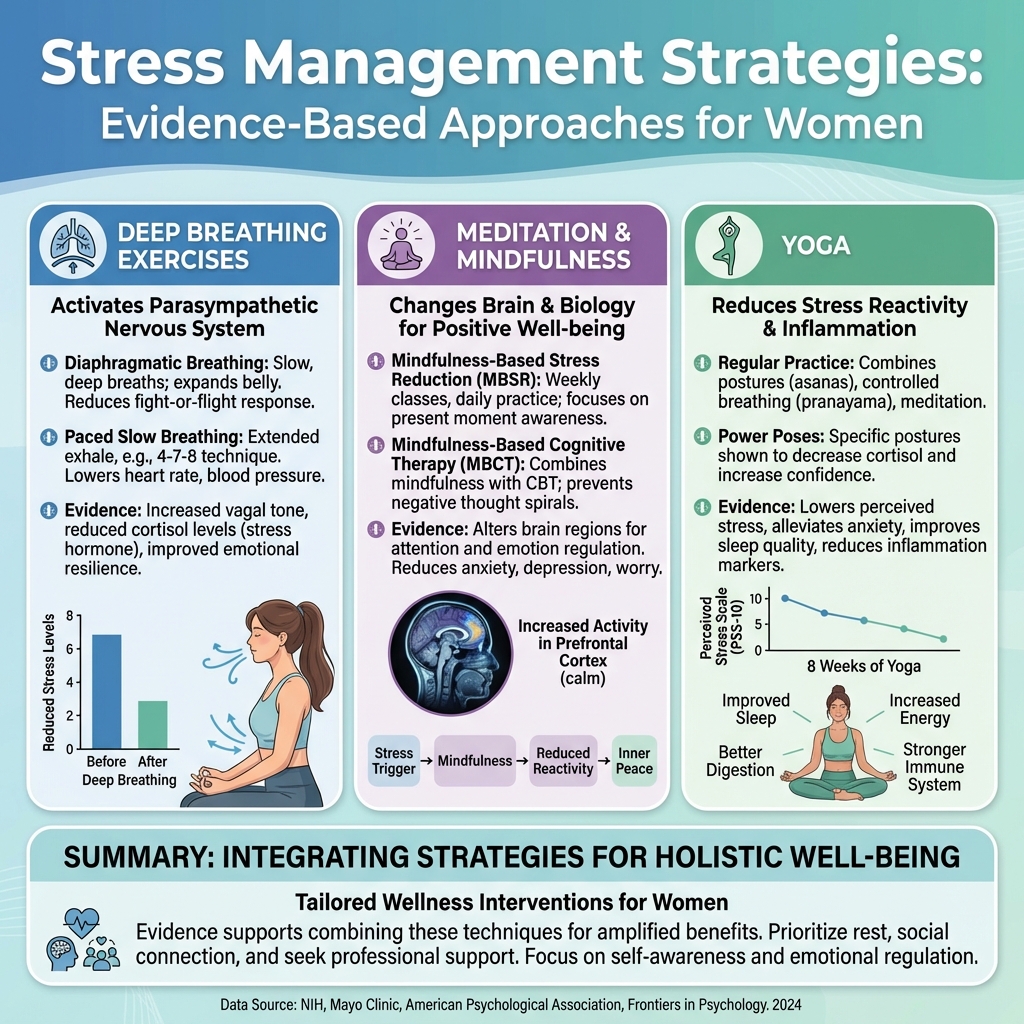
  • Deep Breathing Exercises: These exercises trigger rapid parasympathetic nervous system activation, countering the stress response. (51, 54) Techniques like 4-7-8 breathing, box breathing, and diaphragmatic breathing can reduce anxiety and blood pressure. (8, 36, 51, 54)
  • Meditation and Mindfulness: Meditation reduces stress hormones, decreases inflammatory markers, improves heart rate variability, lowers blood pressure, and reduces the overall cardiovascular risk profile. (15, 24, 51) A large study found that individuals practicing meditation showed substantially lower rates of coronary artery disease, high cholesterol, diabetes, stroke, and high blood pressure. (15)
  • Yoga: Yoga combines physical postures, breathing exercises, and meditation, providing valuable benefits for women’s cardiovascular health. (21, 24) Regular practice can decrease cholesterol, triglycerides, and blood pressure. (24)


2. Psychotherapy Approaches for Cardiac Patients:

  • Cognitive-Behavioral Therapy (CBT): CBT helps patients identify and modify unhelpful thinking patterns and behavioral responses to stress. (20, 23, 39)
  • Metacognitive Therapy (MCT): MCT addresses how people regulate thinking processes, targeting worry and rumination. (23)
  • Cardiac-Specific CBT: CBT specifically targeting cardiac-related anxiety and avoidance behaviors can improve outcomes in cardiac patients. (20)

3. Physical Activity and Exercise:

Regular physical activity reduces stress hormones and anxiety while improving cardiovascular fitness, lowering blood pressure, and enhancing overall cardiovascular health. (8, 14, 21, 24, 32, 35)

4. Social Connection and Support:

Strong social connections buffer against isolation and loneliness, which can negatively impact heart health. (47)

5. Lifestyle Modifications:

  • Healthy Diet: A heart-healthy diet rich in fruits, vegetables, and whole grains can reduce inflammation and improve cardiovascular health.
  • Omega-3 Fatty Acids: Consider incorporating omega-3 fatty acids through diet or supplements, as they have anti-inflammatory properties and may benefit heart health. (26, 29)
  • Limit Alcohol and Caffeine: Excessive alcohol and caffeine consumption can exacerbate stress and sleep problems.

Sleep Optimization: Strategies for Restful Nights and a Healthy Heart

Improving sleep quality is just as important as managing stress. Here are some strategies to optimize your sleep:

  • Establish a Consistent Sleep Schedule: Go to bed and wake up at the same time each day, even on weekends, to regulate your body’s natural sleep-wake cycle. (36)
  • Create a Relaxing Bedtime Routine: Wind down with a warm bath, reading, or gentle stretching. (36)
  • Optimize Your Sleep Environment: Make sure your bedroom is dark, quiet, and cool.
  • Limit Screen Time Before Bed: The blue light emitted from electronic devices can interfere with sleep.
  • Avoid Caffeine and Alcohol Before Bed: These substances can disrupt sleep.
  • Consider Cognitive Behavioral Therapy for Insomnia (CBT-I): CBT-I is an effective therapy for treating insomnia.

Conclusion: Your Heart Health Journey Starts Now

Ladies, your heart health is worth fighting for. By understanding the profound impact of stress and sleep on your cardiovascular system and implementing the evidence-based strategies outlined in this guide, you can take control of your heart health and live a longer, healthier life.

Your Call to Action:

  1. Assess Your Stress and Sleep: Take a moment to reflect on your stress levels and sleep quality. Are you consistently feeling overwhelmed or struggling to get a good night’s rest?
  2. Choose One Strategy: Pick one stress management or sleep optimization technique from this guide and commit to incorporating it into your daily routine for the next week.
  3. Talk to Your Doctor: Discuss your concerns about stress, sleep, and heart health with your doctor. They can help you assess your risk factors and develop a personalized plan for cardiovascular wellness.

This January, let’s prioritize our heart health, one breath, one night’s sleep, and one mindful moment at a time. Your heart will thank you for it.


Sources

[1]https://news.cuanschutz.edu/medicine/research-women-heart-mental-health
[2]https://news.harvard.edu/gazette/story/2025/12/depression-and-anxiety-linked-to-increased-risk-of-heart-attack-or-stroke/
[3]https://pmc.ncbi.nlm.nih.gov/articles/PMC11754222/
[4]https://jamanetwork.com/journals/jamacardiology/fullarticle/10.1001/jamacardio.2025.5043?guestAccessKey=d5edb21e-eaae-42ee-ac41-521ad1aad19c&linkId=895879087
[5]https://jamanetwork.com/journals/jama/fullarticle/2844453
[6]https://www.cdc.gov/heart-disease/about/sleep-and-heart-health.html
[7]https://pmc.ncbi.nlm.nih.gov/articles/PMC12562078/
[8]https://vitalheartandvein.com/news/effective-strategies-for-managing-stress-and-anxiety-to-improve-heart-health/
[9]https://pubmed.ncbi.nlm.nih.gov/38897679/
[10]https://www.acc.org/About-ACC/Press-Releases/2025/06/12/16/46/Sleep-Apnea-More-Common-Than-Previously-Known-in-Female-Athletes
[11]https://www.heart.org/en/healthy-living/healthy-lifestyle/stress-management/women-and-stress
[12]https://www.cdc.gov/heart-disease/about/women-and-heart-disease.html
[13]https://my.clevelandclinic.org/health/diseases/17857-broken-heart-syndrome
[14]https://pmc.ncbi.nlm.nih.gov/articles/PMC7970583/
[15]https://www.research.va.gov/currents/0720-Meditation-linked-to-lower-cardiovascular-risk.cfm
[16]https://www.mayoclinic.org/diseases-conditions/broken-heart-syndrome/symptoms-causes/syc-20354617
[17]https://www.womenheart.org/the-impact-of-sleep-on-heart-health/
[18]https://www.ncbi.nlm.nih.gov/books/NBK599366/
[19]https://www.acc.org/Latest-in-Cardiology/Articles/2025/08/01/01/Cover-Story-Hidden-in-Plain-Sight
[20]https://pmc.ncbi.nlm.nih.gov/articles/PMC8647551/
[21]https://www.womenheart.org/yoga-heart-health/
[22]https://www.ucihealth.org/blog/2025/02/scad-heart-attack
[23]https://www.heart.org/en/news/2021/06/21/new-psychotherapy-may-reduce-anxiety-depression-in-heart-patients
[24]https://www.heart.org/en/news/2019/04/12/is-yoga-heart-healthy-its-no-stretch-to-see-benefits-science-suggests
[25]https://pmc.ncbi.nlm.nih.gov/articles/PMC10922947/
[26]https://ods.od.nih.gov/factsheets/Omega3FattyAcids-HealthProfessional/
[27]https://pmc.ncbi.nlm.nih.gov/articles/PMC11208918/
[28]https://www.sciencedaily.com/releases/2025/07/250709091702.htm
[29]https://www.mayoclinic.org/drugs-supplements-fish-oil/art-20364810
[30]https://www.frontiersin.org/research-topics/17488/psychocardiology-exploring-the-brain-heart-interface/magazine
[31]https://pmc.ncbi.nlm.nih.gov/articles/PMC7422617/
[32]https://workhealthsolutions.com/docs/work-related-stress-and-its-impact-on-cardiovascular-health/
[33]https://www.acc.org/Latest-in-Cardiology/Articles/2025/03/01/42/Prioritizing-Health-Sleep-and-Cardiovascular-Health
[34]https://my.clevelandclinic.org/health/symptoms/21773-heart-rate-variability-hrv
[35]https://pmc.ncbi.nlm.nih.gov/articles/PMC9379504/
[36]https://www.heart.org/en/healthy-living/healthy-lifestyle/sleep/how-to-sleep-better-with-a-bedtime-routine
[37]https://respiratory-therapy.com/disorders-diseases/sleep-medicine/breathing-disorders/cpap-reduces-heart-related-mortality-55-percent/
[38]https://pmc.ncbi.nlm.nih.gov/articles/PMC12352403/
[39]https://pmc.ncbi.nlm.nih.gov/articles/PMC9643590/
[40]https://pmc.ncbi.nlm.nih.gov/articles/PMC6321890/
[41]https://www.heart.org/en/news/2023/12/04/sleep-problems-linked-to-heart-health-risks-during-and-after-menopause
[42]https://pmc.ncbi.nlm.nih.gov/articles/PMC4434967/
[43]https://pmc.ncbi.nlm.nih.gov/articles/PMC11328148/
[44]https://pmc.ncbi.nlm.nih.gov/articles/PMC5831910/
[45]https://www.heart.org/en/health-topics/high-blood-pressure/changes-you-can-make-to-manage-high-blood-pressure/managing-stress-to-control-high-blood-pressure
[46]https://www.mayoclinichealthsystem.org/hometown-health/speaking-of-health/can-stress-lead-to-a-heart-attack
[47]https://www.heart.org/en/news/2022/08/04/social-isolation-loneliness-can-damage-heart-and-brain-health-report-says
[48]https://pmc.ncbi.nlm.nih.gov/articles/PMC11837816/
[49]https://nyulangone.org/news/womens-heart-attacks-are-often-misdiagnosed-dr-harmony-reynolds-mission-change
[50]https://pmc.ncbi.nlm.nih.gov/articles/PMC10922947/
[51]https://www.heart.org/en/healthy-living/healthy-lifestyle/stress-management/breathing-brings-benefits-infographic
[52]https://www.heart.org/en/news/2020/03/06/changing-the-way-we-view-womens-heart-attack-symptoms
[53]https://www.acc.org/Latest-in-Cardiology/Articles/2025/03/01/42/Prioritizing-Health-Sleep-and-Cardiovascular-Health
[54]https://womanshospital.com/blog/entry/the-best-breathing-exercises-for-heart-health
[55]https://www.escardio.org/news/news-room/a-wake-up-call-key-trends-and-policy-asks-for-cardiovascular-health-in-women/
[56]https://pmc.ncbi.nlm.nih.gov/articles/PMC10248788/
[57]https://newsroom.heart.org/news/women-veterans-with-ptsd-have-higher-rate-of-heart-disease
[58]https://www.beckmancoulter.com/en/blog/diagnostics/the-global-burden-of-cardiovascular-disease-in-women
[59]https://www.heart.org/en/news/2023/04/10/to-prevent-heart-disease-in-women-a-one-size-fits-all-approach-might-not-work
[60]https://pmc.ncbi.nlm.nih.gov/articles/PMC7970390/
 
 
Share it :
Signup our newsletter to get update information, news, insight or promotions.
Unlock the Secrets to
the Keto Diet Success
Transform Your Health, Energy, and Confidence in Our Keto Diet Secrets Course!
Health Coaching
Register Today for BetterMe Health Coaching
Receive the latest news

Subscribe To My Newsletter