Before we dive into specific superfoods, it’s important to understand the key micronutrients that support immune function. Vitamins A, C, D, and E, along with minerals like selenium and zinc, are crucial for a healthy immune system [1, 42]. Deficiencies in these nutrients can weaken immunity and increase susceptibility to infections.
Now, let’s explore the superfoods that can help you meet your micronutrient needs and boost your immune system.
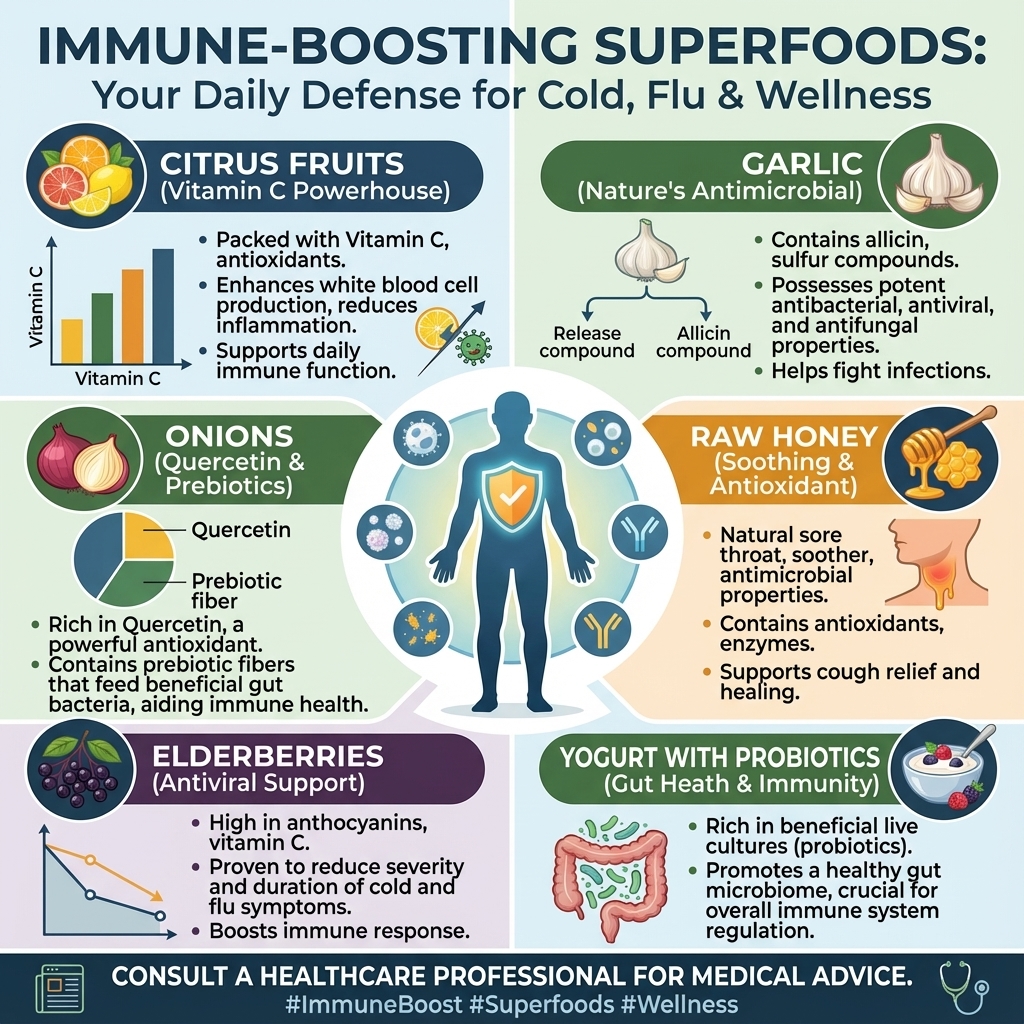
1. Citrus Fruits: Vitamin C Powerhouses
Think lemons, oranges, grapefruits – these aren’t just delicious; they’re packed with vitamin C, flavonoids, and fiber [7]. Vitamin C is a powerful antioxidant that protects cells from free radical damage and reduces inflammation [7, 10]. Citrus fruits have been used for centuries to combat sickness, intestinal ailments, and even as antiseptic treatments [7].
Actionable Tip: Start your day with a glass of lemon water or add slices of orange and grapefruit to your salad for a refreshing immune boost.
2. Garlic and Onions: Nature’s Antimicrobial Arsenal
These pungent vegetables are more than just flavor enhancers. Garlic and onions contain organosulfur compounds like allicin and quercetin, which have broad-spectrum antimicrobial, antimycotic, and immunomodulatory properties [8, 11].
A study with elderly residents found that a garlic and onion extract concentrate significantly reduced the incidence of respiratory infections [8].
Actionable Tip: Add garlic and onions to your soups, stews, and stir-fries for a flavorful and immune-boosting addition to your meals.
3. Raw Honey: A Soothing and Antimicrobial Remedy
Raw honey has been used for generations to soothe cold symptoms and promote wound healing [13, 16]. Its antimicrobial properties come from a combination of factors, including its high sugar concentration, low water activity, and acidic pH [13].
Raw honey contains more beneficial nutrients than pasteurized varieties, including antioxidants [19].
Actionable Tip: Add a spoonful of raw honey to your tea or drizzle it over yogurt for a soothing and immune-boosting treat. Note: Raw honey is not suitable for infants under one year of age.
4. Elderberries: Antiviral Support
Elderberry has been traditionally used to prevent and treat respiratory problems [9]. While it may not prevent the common cold, it can reduce the duration and severity of colds and influenza [9].
Actionable Tip: Consider elderberry syrup or gummies as a natural remedy to shorten the duration of cold and flu symptoms.
5. Yogurt with Probiotics: Gut Health Guardian
Yogurt and fermented milks are extensively researched for their immune-supporting properties [6]. They contain probiotics, live bacteria that can promote gut health and modulate the immune system [3, 6].
Actionable Tip: Choose yogurts with live and active cultures, and opt for plain, unsweetened varieties to maximize health benefits.
Beyond Superfoods: The Pillars of Immune Support
While these superfoods are powerful allies, they’re most effective when combined with a healthy lifestyle. Don’t underestimate the importance of stress management, sleep, and regular physical activity.
The Bottom Line: A Holistic Approach to Immune Health
Boosting your immune system is not about finding a quick fix. It’s about adopting a holistic approach that includes a balanced diet rich in immune-boosting superfoods, stress management techniques, adequate sleep, and regular physical activity. By making these lifestyle changes, you can build a strong foundation for long-term health and well-being.
Ready to take charge of your immune health? Start incorporating these superfoods into your daily routine and prioritize stress management and sleep. Your body will thank you!
Disclaimer: This blog post is for informational purposes only and does not constitute medical advice. Consult with a healthcare professional before making any significant changes to your diet or lifestyle.